Ancient Wisdom for Modern Wellbeing
Traditional Chinese Medicine, commonly called TCM, is a system of health and wellbeing that developed in China over thousands of years. Rather than looking only at individual symptoms, TCM seeks to understand how the body functions as a whole and how its many systems influence one another.
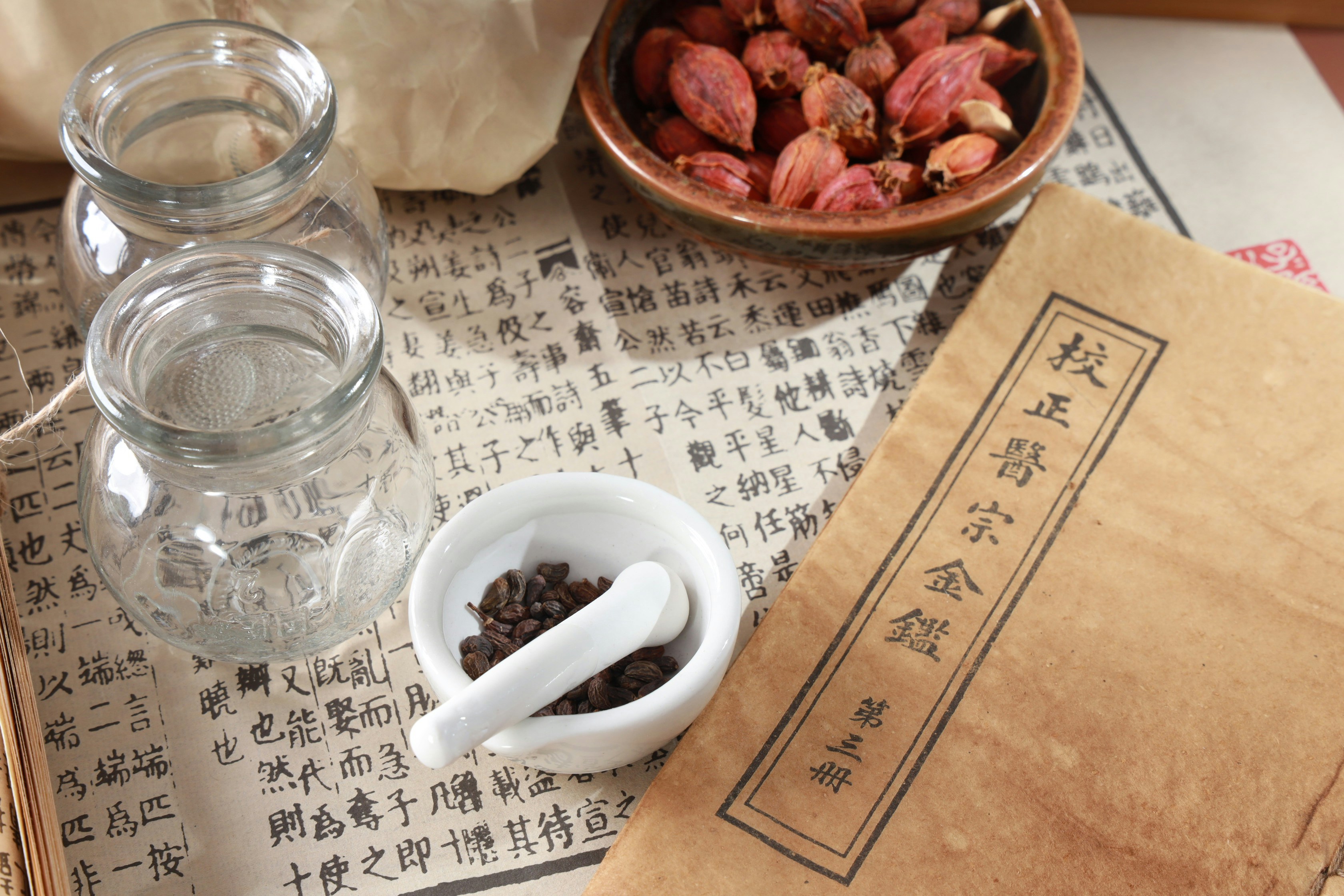
The roots of Chinese medicine reach back thousands of years. Over many generations, Chinese physicians observed patterns in the human body, changes in nature, the effects of foods and herbs, and the relationship between lifestyle and health.
These observations gradually developed into a sophisticated medical tradition. Important classical texts, including the Huangdi Neijing, or Yellow Emperor's Inner Classic, helped establish many of the principles still associated with Traditional Chinese Medicine today.
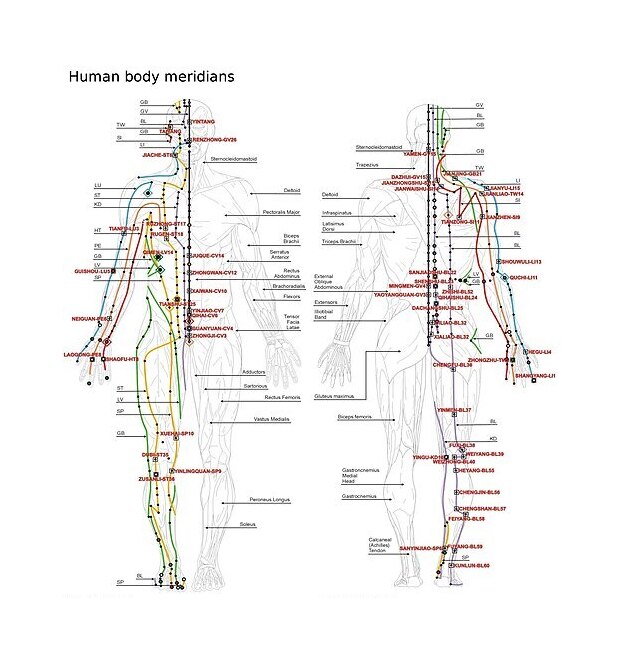
One of the central concepts in Traditional Chinese Medicine is qi (pronounced roughly "chee"). Qi is traditionally understood as the vital activity or energy that supports the functions of the body.
TCM describes qi as moving through an interconnected network of pathways, often called meridians. When the body's functions and the movement of qi are harmonious, a person is considered to be in greater balance. When that harmony is disturbed, characteristic patterns of imbalance may appear.
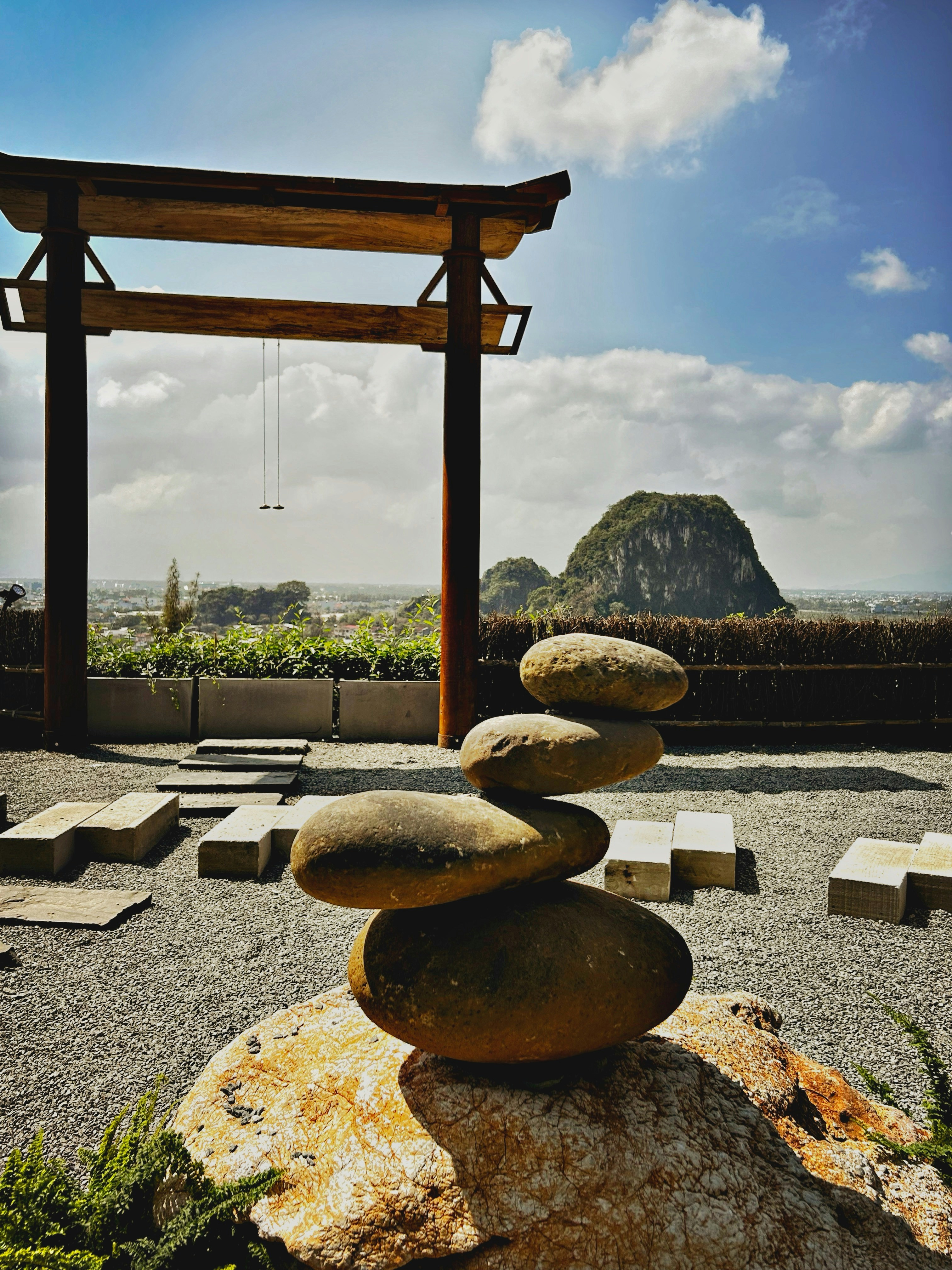
Yin and yang describe complementary forces that exist throughout nature and the body. They are not opposites in the sense of one being good and the other bad. Instead, each helps balance and define the other.
Good health in TCM is not about maximizing either yin or yang. It is about maintaining an appropriate and changing balance between them.
A major difference between TCM and many modern approaches is the way symptoms are interpreted. Traditional Chinese Medicine looks for patterns.
For example, two people may experience the same complaint but show very different combinations of energy level, digestion, sleep, temperature, emotions, pain, thirst, and other signs.
From a TCM perspective, those people may therefore represent different patterns and may benefit from different forms of support.
This emphasis on the individual is one reason TCM has traditionally placed great importance on understanding the whole person rather than focusing only on a single complaint.
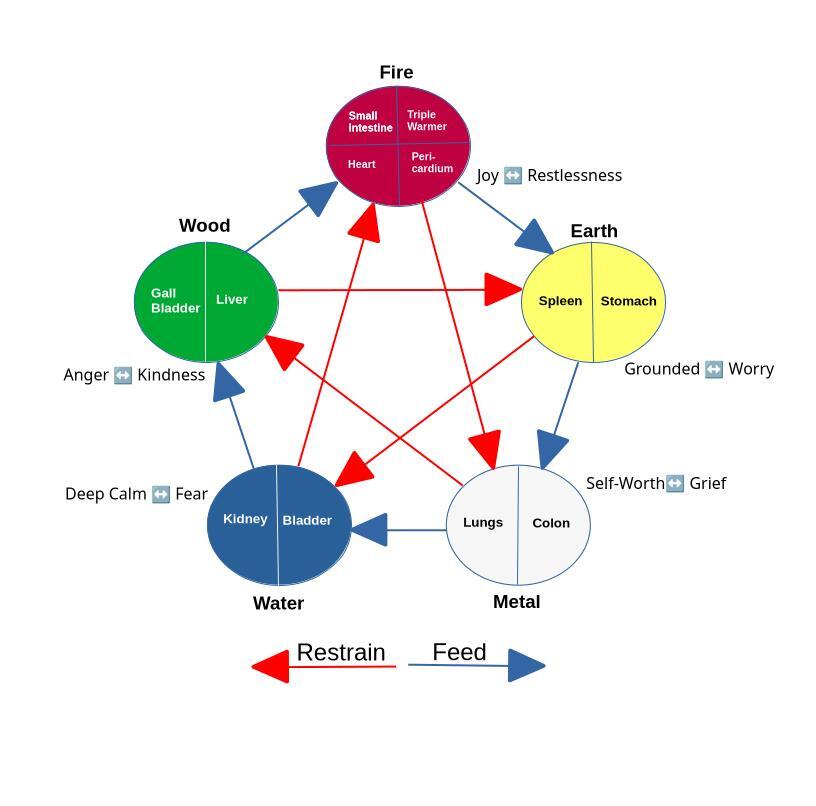
Another important framework in Traditional Chinese Medicine is the Five Elements, sometimes called the Five Phases:
These elements describe relationships and cycles found in nature and are traditionally associated with different organ systems, seasons, emotions, and physiological functions.
The Five Element model provides another way of understanding how seemingly separate parts of the body may influence one another.
Traditional Chinese Medicine developed a number of approaches intended to encourage balance and support wellbeing. Some of the best known include:
Herbs and traditional formulas selected according to an individual's pattern.
The stimulation of specific points traditionally associated with the body's meridian system.
Choosing foods according to their traditional qualities and the needs of the individual.
Movement, posture, breathing, and awareness practices traditionally used to cultivate balance and healthy movement.
A traditional form of Chinese therapeutic massage and bodywork.
Attention to sleep, activity, emotions, seasons, and daily habits as parts of overall wellbeing.
Traditional Chinese Medicine views the body as a dynamic, interconnected system. Qi, yin and yang, the Five Elements, organ relationships, lifestyle, emotions, food, and the surrounding environment are considered together when trying to understand a person's overall pattern.
YourChiBalance uses these traditional concepts as a framework for helping you explore your own patterns and receive personalized educational wellness guidance.
Sign in to continue